Featured
Table of Contents
Adapting Browse Methods for Portland Proximity in 2026
Search intent in 2026 has actually moved beyond basic geographical markers. While a user in Portland might have once searched for general services across the region, the expectation now is for hyper-local accuracy. This shift is driven by the increase of Generative Engine Optimization (GEO) and AI-driven search designs that focus on immediate proximity and real-time schedule over traditional ranking signals. Browse engines no longer treat a city as a single block. An inquiry made in the center of Portland produces various results than one made just a few blocks away.
Steve Morris, CEO of NEWMEDIA.COM, has argued in significant tech publications that the period of broad SEO is being changed by "proximity clusters." According to Morris, AI search agents now weigh a business's physical area against real-time data points like regional traffic, existing weather, and social belief within a couple of square miles. For organizations operating in the surrounding area, this implies that presence is no longer guaranteed by high-volume keywords alone. Exposure now depends upon how well a brand name's information is structured for these AI-driven regional assessments.
The Function of AI Search Optimization and RankOS
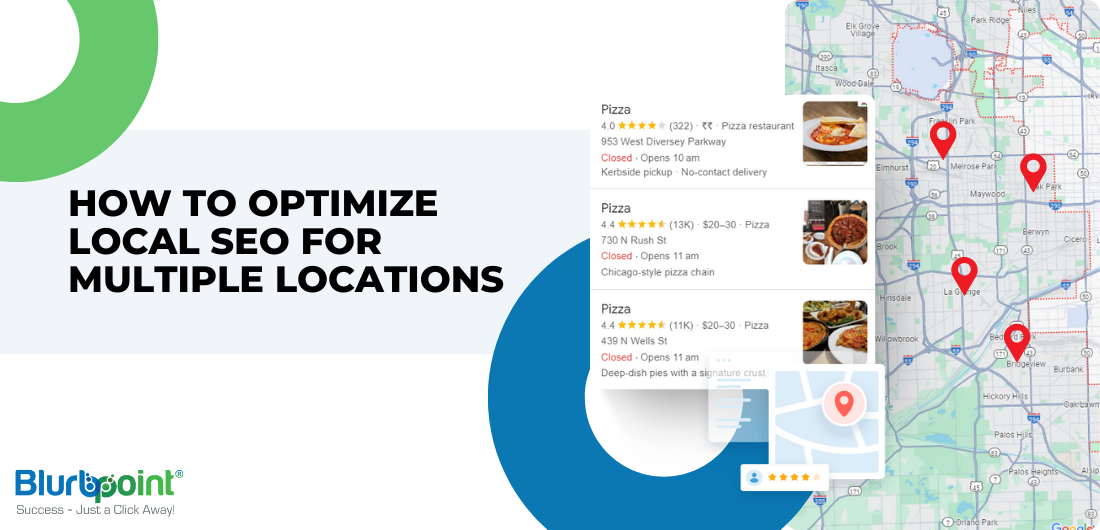
The technical requirements for appearing in regional search engine result have actually ended up being significantly complicated. AI Search Optimization (AEO) and GEO need a various method to data than traditional Google rankings. To resolve this, the RankOS platform has been created to help brand names handle their exposure throughout diverse AI search user interfaces. This includes more than just keeping an address updated. It requires supplying AI designs with a constant stream of localized, context-aware information that shows a service is the most relevant option for a specific user at a particular moment.
Services seeking Oregon Online Strategy typically find that general methods fail to capture the nuance of neighborhood-level intent. In Portland, consumers utilize voice-activated assistants and wearable AI to find immediate options. If a brand's digital presence does not have the specific metadata required by these systems, they successfully vanish from the proximity search results page. This is particularly true in competitive markets like NYC, Denver, and LA, where NEWMEDIA.COM has observed a substantial increase in "at-this-intersection" questions.
Individualizing Material for the Portland Experience
Personalizing the customer experience in 2026 needs moving far from generic design templates. It includes producing content that speaks to the specific culture, events, and practical requirements of Portland. This hyper-local marketing approach guarantees that when a user searches for a service, they see info that feels tailored to their current environment. A retail brand might highlight various items based on the particular weather condition patterns or local events occurring in the immediate vicinity.
Custom Oregon Creative Design has become important for contemporary companies attempting to preserve this level of customization at scale. By using AI to analyze local data, business can produce material that reflects the micro-trends of a specific location. This is not about easy keyword insertion. It has to do with demonstrating an understanding of the local community. Steve Morris emphasizes that AI search engines can find "thin" localized material. They prefer sources that offer authentic value to the citizens of Portland.
Distance Search and Mobile Optimization in the Region
The majority of hyper-local searches occur on mobile devices or through AI-integrated hardware. This makes technical web design more crucial than ever. A site must fill immediately and offer the precise data an AI representative needs to satisfy a user's demand. This includes structured data for inventory, rates, and service hours that specify to a single location. Organizations that rely on Creative Design in Oregon to remain competitive are retooling their web presence to emphasize these micro-location signals.
Proximity optimization likewise takes into consideration the "digital footprint" of a place. This includes regional evaluations, points out in neighborhood news outlets, and even social networks check-ins. AI models utilize these signals to confirm that a service is active and credible in Portland. If a brand has a strong national presence but no regional engagement in the surrounding region, it might discover itself outranked by a smaller sized competitor that has actually focused on hyper-local signals.
Information Integrity in Hyper-Local Marketing
As AI agents become the main way people discover services in the United States, the precision of regional information is non-negotiable. Clashing information about a location's address or services can lead to a total loss of visibility. Steve Morris has actually noted that "data fragmentation" is among the greatest obstacles for brands in 2026. If an AI assistant receives 3 different sets of hours for a service in Portland, it will likely advise a rival with more constant information.
Managing this at scale needs a central system that can push updates to every corner of the digital environment concurrently. The RankOS platform addresses this by making sure that every AI design, search engine, and social platform sees the very same high-fidelity information. This level of coordination is needed for organizations that desire to dominate the distance search results page. It has to do with more than simply being discovered; it is about being the most relied on response provided by the AI.
The Future of Localized Browse in 2026
Looking towards the second half of 2026, the trend of hyper-localization is only expected to speed up. As augmented truth and more sophisticated AI representatives become common, the digital and physical worlds will continue to combine. Consumers in Portland will anticipate their digital assistants to understand not simply where they are, however what they require based upon their immediate surroundings. Companies that have purchased localized material and distance optimization will be the ones that prosper in this environment.
Planning for this future ways moving beyond the essentials of SEO. It requires a commitment to data precision, a deep understanding of local intent, and the ideal technology to handle everything. By concentrating on the unique needs of users in the region, brands can develop a more significant connection with their clients. This method turns a simple search into a customized interaction, ensuring that the business remains a central part of the regional community's every day life.

Latest Posts
How Future SEO Landscape Impacts Digital Marketing
Key Benefits of B2B Sales Tech
Understanding Next-Gen Search Algorithms in Growth